




Creating a hydrogen economy is no small task, but Rice University engineers have discovered a method that could make oxygen evolution catalysis in acids, one of the most challenging topics in water electrolysis for producing clean hydrogen fuels, more economical and practical.
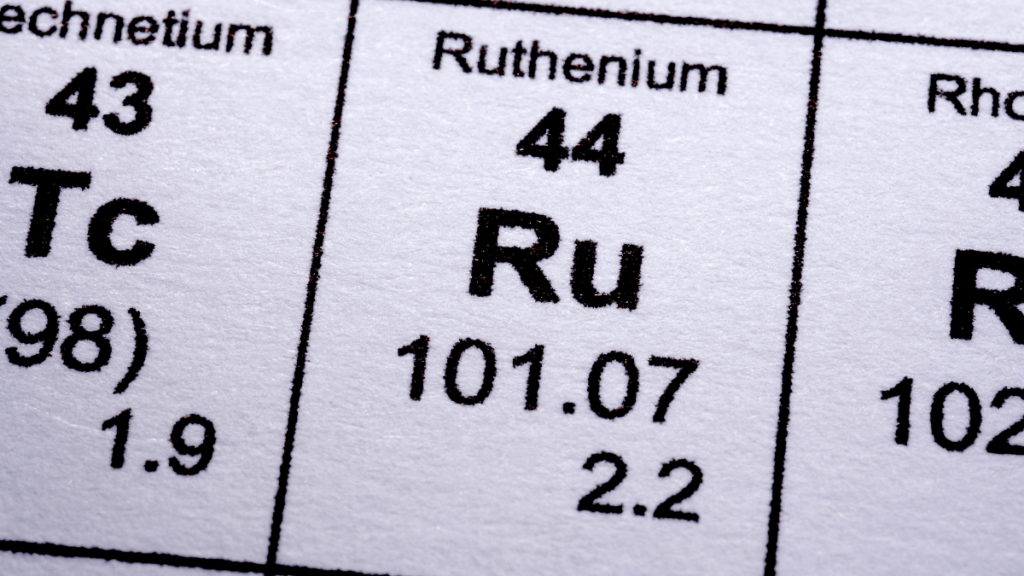
The lab of chemical and biomolecular engineer Haotian Wang at Rice’s George R. Brown School of Engineering has replaced rare and expensive iridium with ruthenium, a far more abundant precious metal, as the positive-electrode catalyst in a reactor that splits water into hydrogen and oxygen.
The lab’s successful addition of nickel to ruthenium dioxide (RuO2) resulted in a robust anode catalyst that produced hydrogen from water electrolysis for thousands of hours under ambient conditions.
Related Hydrogen Fuel News:

Comparing EcoVadis and the Carbon Disclosure Project: Insights for EHS Managers

Plug Power Secures DOE Loan Commitment for Clean Hydrogen Production

How Much Does Hydrogen Cost? Global Hydrogen Fuel Pricing

Nikola Corporation Launches First HYLA Hydrogen Refueling Station in Southern Ca...

Germany's New Hydrogen Refueling Stations for Heavy-Duty Transport